
Understanding the Essence of Cuban Rumba

Cuban rumba is more than just a dance or music style - it is a vibrant cultural expression that embodies the spirit and history of Cuba. Rooted in African and Spanish traditions, Cuban rumba has evolved over centuries into a dynamic art form that continues to captivate audiences worldwide. This post explores the essence of Cuban rumba, its origins, cultural significance, and the unique elements that make it a powerful symbol of Cuban identity.
The Essence of Cuban Rumba: A Cultural Fusion
At its core, the essence of Cuban rumba lies in its fusion of African rhythms and Spanish influences. Originating in the late 19th century in the urban neighborhoods of Havana and Matanzas, rumba was born from the experiences of Afro-Cuban communities. It served as a form of social expression, storytelling, and communal bonding.
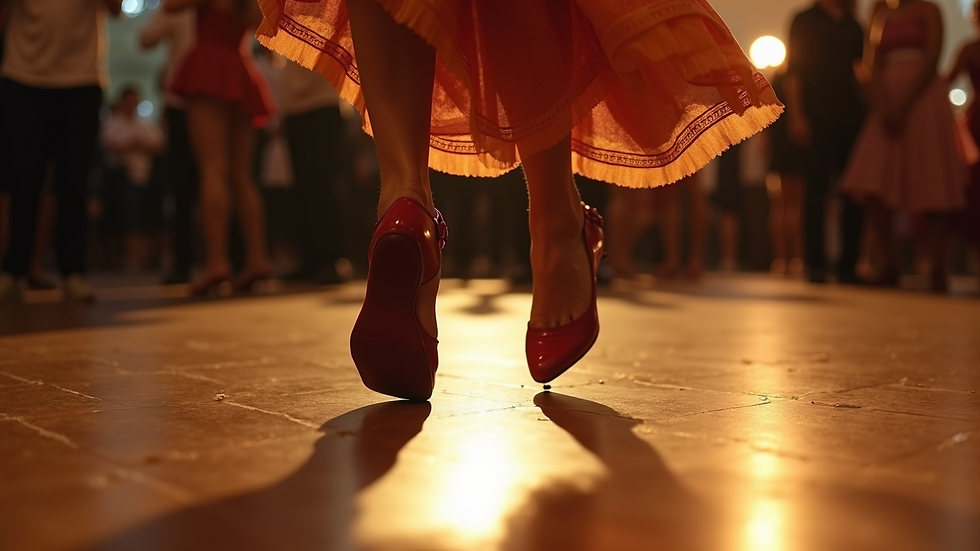
The music is characterized by complex percussion patterns played on traditional instruments such as the conga drums, claves, and cajones. These rhythms create a hypnotic groove that invites movement and celebration. The dance itself is highly improvisational, emphasizing fluid body movements, hip action, and a dialogue between dancers and musicians.
Cuban rumba is not just entertainment; it is a living tradition that reflects resilience, creativity, and the blending of cultures. It has influenced many other Latin music genres and remains a vital part of Cuba’s cultural heritage.

Historical Roots and Social Significance
Understanding the essence of Cuban rumba requires a look into its historical context. The genre emerged in the late 1800s among Afro-Cuban communities who were descendants of enslaved Africans. These communities preserved African musical and dance traditions while adapting to the new social environment in Cuba.
Rumba was often performed in informal settings such as street corners, community gatherings, and festivals. It was a way for marginalized groups to express their identity, share stories, and resist oppression through art. The lyrics often addressed everyday life, social issues, and spiritual themes.
Over time, rumba gained wider recognition and became a symbol of Cuban national identity. It also played a role in the development of other Cuban music styles like son and salsa. Today, rumba continues to be celebrated both in Cuba and internationally, preserving its role as a cultural bridge and a source of pride.
What are the three types of Cuban rumba?
Cuban rumba is traditionally divided into three main styles, each with distinct characteristics and regional origins:
Yambú
Known as the oldest form of rumba, Yambú is slower and more relaxed. It features a smooth, flowing dance style that mimics the movements of an elderly couple. The percussion is gentle, emphasizing a steady rhythm that supports the dancers’ subtle gestures.
Guaguancó
This is the most popular and widely recognized style of rumba. Guaguancó is faster and more energetic, featuring a playful dance battle between a male and female dancer. The male attempts to “catch” the female with a symbolic pelvic movement called the vacunao, while the female evades with quick, agile steps. The percussion is complex, with interlocking rhythms that drive the intensity of the performance.
Columbia
Columbia is a solo male dance style characterized by fast footwork, acrobatic moves, and improvisation. It is highly competitive and showcases the dancer’s skill and stamina. The rhythm is driven by the quinto drum, which leads the musical conversation with sharp, syncopated patterns.
Each style contributes to the rich tapestry of Cuban rumba, offering different expressions of rhythm, movement, and cultural storytelling.
Instruments and Musical Structure in Cuban Rumba
The musical foundation of Cuban rumba is built on percussion instruments that create intricate polyrhythms. The primary instruments include:
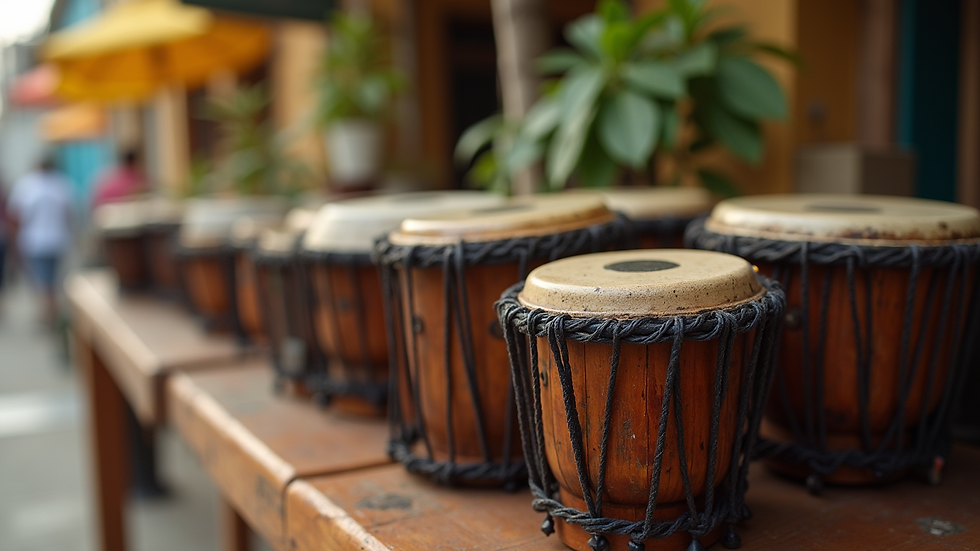
Congas (tumbadoras): Large drums that provide the main rhythmic base. Different sizes produce varied tones.
Claves: Two wooden sticks struck together to create a sharp, repeating pattern known as the clave rhythm, which serves as the structural backbone.
Cajones: Wooden boxes played with the hands, adding depth and texture.
Quinto: The lead drum in rumba, especially in Columbia style, responsible for improvisational phrases.
The structure of rumba music is cyclical, with repeating rhythmic patterns that allow dancers and musicians to interact dynamically. The clave rhythm is essential, guiding the timing and phrasing of all other instruments.
Musicians often engage in call-and-response patterns, where the quinto drum “answers” the dancers’ movements or vocal cues. This interaction creates a lively, spontaneous atmosphere that is central to the rumba experience.
How to Experience and Appreciate Cuban Rumba
To truly understand the essence of Cuban rumba, experiencing it firsthand is invaluable. Here are some practical ways to engage with this vibrant tradition:
Attend live performances: Seek out rumba shows or festivals, especially in Cuba or cities with strong Cuban communities. Watching the dance and music live reveals the energy and connection between performers.
Take dance classes: Learning the basic steps and rhythms helps deepen appreciation. Many dance schools offer rumba workshops that cover Yambú, Guaguancó, and Columbia styles.
Listen actively: Explore recordings of cuban rumba music) to familiarize yourself with the percussion patterns and vocal styles. Pay attention to how the instruments interact and how the dancers respond.
Read about the history: Understanding the social and cultural background enriches your experience and respect for the art form.
Participate in community events: In some places, rumba is still a communal activity. Joining in can provide insight into its role as a social glue.
By immersing yourself in the music, dance, and culture, you can connect with the essence of Cuban rumba on a deeper level.
The Enduring Legacy of Cuban Rumba
Cuban rumba remains a powerful symbol of cultural identity and artistic expression. Its rhythms and movements have influenced countless musicians and dancers worldwide. Beyond entertainment, rumba embodies the resilience and creativity of the Cuban people.
Today, rumba continues to evolve, blending with contemporary styles while preserving its traditional roots. It serves as a reminder of the importance of cultural heritage and the ways music and dance can unite communities.
Whether you are a musician, dancer, or simply a lover of world cultures, exploring Cuban rumba offers a rich and rewarding journey into one of the most dynamic art forms of the Caribbean.



Comments