
Exploring the Rhythms of Cuban Son Music

Cuban Son music is a vibrant and influential genre that has shaped the soundscape of Latin America and beyond. Originating in the eastern regions of Cuba in the early 20th century, this musical style combines Spanish guitar melodies with African rhythms, creating a unique and infectious sound. Its rhythms have inspired countless musicians and continue to captivate audiences worldwide. In this article, we will dive deep into the rhythms of Cuban Son, exploring its origins, instruments, and how it differs from other Latin music styles.
The Origins and Evolution of the Rhythms of Cuban Son
The rhythms of Cuban Son trace back to the fusion of Spanish and African musical traditions. Spanish settlers brought string instruments like the guitar and tres, while African slaves contributed complex percussion rhythms and call-and-response singing styles. This blend gave birth to Son, which became a foundation for many other Cuban music genres.
Son music first gained popularity in the rural areas of eastern Cuba, particularly in the provinces of Oriente and Santiago de Cuba. It was initially played at social gatherings and community events, where dancers would move to the syncopated beats. Over time, Son spread to Havana and other urban centers, evolving with the addition of brass instruments and more sophisticated arrangements.
The rhythm of Son is characterized by a steady, syncopated pattern called the clave, which serves as the backbone of the music. This rhythm is typically played on wooden sticks called claves and is essential for maintaining the groove. The clave pattern can be either 2-3 or 3-2, depending on the song’s structure.

Understanding the Rhythms of Cuban Son
At the heart of the rhythms of Cuban Son lies the clave rhythm, which is a repeating five-note pattern that drives the music forward. This rhythm is not just a beat but a guiding principle that shapes the entire arrangement. Musicians and dancers alike rely on the clave to stay in sync.
The percussion section in Son typically includes bongos, maracas, and the tresillo rhythm played on the guitar or tres. The bongos provide a sharp, high-pitched counter-rhythm, while the maracas add a continuous shaking sound that complements the clave. The tresillo rhythm, a three-note pattern, interlocks with the clave to create a rich, layered texture.
Melodically, Son features call-and-response vocals, where a lead singer (sonero) improvises verses, and a chorus responds. This interaction adds excitement and spontaneity to performances. The bass guitar or double bass plays a tumbao pattern, emphasizing the off-beats and enhancing the groove.
To truly appreciate the rhythms of Cuban Son, it helps to listen to classic Son bands like Septeto Nacional and Trio Matamoros. Their recordings showcase the intricate interplay between percussion, strings, and vocals that define the genre.
How is son cubano different from salsa?
While son cubano and salsa share many similarities, they are distinct genres with different origins and characteristics. Son cubano is the older of the two, originating in Cuba in the early 1900s, whereas salsa developed later, primarily in New York City during the 1960s and 1970s, influenced by Cuban Son and other Latin styles.
One key difference lies in the rhythm and instrumentation. Son cubano relies heavily on the clave rhythm and traditional instruments like the tres, bongos, and maracas. Salsa, on the other hand, incorporates a broader range of instruments, including trumpets, trombones, and congas, creating a fuller, more orchestrated sound.
Salsa songs tend to be faster and more energetic, designed for lively dance floors, while son cubano often has a more relaxed tempo and emphasizes melodic storytelling. Additionally, salsa incorporates influences from jazz and other Caribbean music styles, making it more eclectic.
Despite these differences, salsa owes much of its foundation to son cubano, and many salsa songs are adaptations or evolutions of classic son tunes. Understanding son cubano provides valuable insight into the roots of salsa and Latin music as a whole.

Instruments That Define the Rhythms of Cuban Son
The unique sound of Cuban Son is shaped by a combination of traditional instruments, each contributing to the genre’s distinctive rhythms and melodies. Here are the primary instruments that define the rhythms of Cuban Son:
Tres - A small guitar-like instrument with three pairs of strings, the tres plays syncopated arpeggios and riffs that are central to Son’s melodic structure.
Claves - Two wooden sticks struck together to produce the clave rhythm, which is the heartbeat of the music.
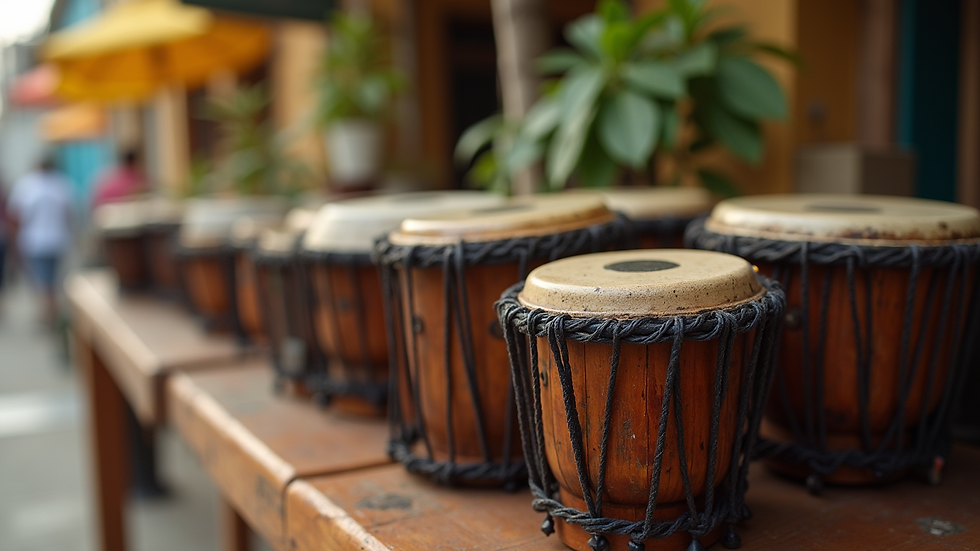
Bongos - A pair of small drums played with the hands, providing sharp, rhythmic accents.
Maracas - Shaken percussion instruments that add a continuous rhythmic texture.
Double Bass - Provides the tumbao bass line, emphasizing the off-beats and supporting the groove.
Trumpet - Added in later Son ensembles to enrich the harmonic and melodic layers.
Guitar - Often used alongside the tres to add harmonic depth.
Each instrument plays a specific role in maintaining the rhythm and enhancing the overall sound. The interplay between these instruments creates the infectious groove that makes Cuban Son so danceable and enjoyable.
How to Experience and Appreciate Cuban Son Music Today
If you want to experience the rhythms of Cuban Son firsthand, there are several ways to immerse yourself in this vibrant musical tradition:
Attend live performances - Many cities around the world host Cuban music nights or Latin dance events where Son is featured. Look for local bands or cultural festivals celebrating Cuban heritage.
Learn to dance Son - Taking a dance class focused on Son or Cuban-style salsa can deepen your appreciation of the music’s rhythms and structure.
Listen to classic and contemporary recordings - Explore albums by legendary Son groups like Buena Vista Social Club, Septeto Nacional, and modern artists who keep the tradition alive.
Play the instruments - If you’re musically inclined, learning to play the tres or bongos can give you a hands-on understanding of the rhythms.
Explore Cuban culture - Understanding the social and historical context of Son music enriches your listening experience.
By engaging with Cuban Son music actively, you can connect with its rich cultural roots and vibrant rhythms in a meaningful way.
The Lasting Impact of the Rhythms of Cuban Son
The rhythms of Cuban Son have left an indelible mark on the world of music. Beyond influencing salsa, Son has contributed to genres like mambo, cha-cha-cha, and Latin jazz. Its rhythmic patterns and instrumentation have been adopted and adapted by musicians globally.
Moreover, Cuban Son music serves as a cultural bridge, connecting African and Spanish heritage and showcasing the power of musical fusion. It continues to inspire new generations of artists and dancers, preserving a vital part of Cuba’s cultural identity.
Whether you are a musician, dancer, or music lover, exploring the rhythms of Cuban Son offers a window into a rich and dynamic musical tradition that continues to resonate across the world.
For those interested in diving deeper, exploring cuban son music online can provide additional insights and resources to further your journey.
Exploring the rhythms of Cuban Son reveals a world of intricate beats, passionate melodies, and cultural history. Its infectious groove invites everyone to listen, dance, and celebrate the enduring spirit of Cuban music.


Comments