
The Evolution of Cuban Music: The Fascinating History of Cuban Music

Cuban music is a vibrant and dynamic art form that has captivated audiences worldwide for centuries. Its rich tapestry is woven from diverse cultural threads, blending African rhythms, Spanish melodies, and indigenous influences. This unique fusion has given birth to some of the most exciting and influential musical styles in the world. Understanding the evolution of Cuban music offers a window into the island’s history, culture, and identity.
The Evolution of Cuban Music: From Roots to Rhythm
The story of Cuban music begins long before the island became a melting pot of cultures. Indigenous peoples originally inhabited Cuba, but their musical traditions were largely lost after European colonization. The arrival of Spanish settlers in the 15th century introduced European instruments like the guitar and violin, as well as melodic structures rooted in Iberian folk music.
However, the most profound influence came from African slaves brought to Cuba during the transatlantic slave trade. These enslaved Africans brought with them complex rhythms, percussion instruments, and call-and-response singing styles. Over time, African and Spanish elements blended, creating new genres such as son, rumba, and danzón.
By the 19th and early 20th centuries, Cuban music had evolved into a vibrant cultural expression. The son genre, in particular, became the foundation for many modern Cuban styles. It combined Spanish guitar melodies with African percussion and syncopated rhythms, laying the groundwork for salsa and other Latin music genres.

What is Cuban Music Style Called?
Cuban music is often associated with several distinct styles, but the most iconic and foundational is called son cubano. This style emerged in the eastern part of Cuba in the late 19th century and quickly spread across the island. Son cubano is characterized by its fusion of Spanish lyrical traditions and African rhythmic patterns.
Other important Cuban music styles include:
Rumba: A lively, percussive genre with deep African roots, often performed with congas, claves, and dancers.
Danzón: A formal dance music style that originated in Havana, combining European ballroom music with Afro-Cuban rhythms.
Mambo: A fast-paced, energetic style that gained international popularity in the mid-20th century.
Cha-cha-chá: A dance music style created in the 1950s, known for its catchy rhythm and easy-to-follow beat.
Each of these styles reflects the island’s multicultural heritage and has contributed to the global appeal of Cuban music.
The Role of Instruments in Cuban Music
Instruments play a crucial role in shaping the sound of Cuban music. The blend of string, percussion, and wind instruments creates the distinctive rhythms and melodies that define the genre.
Some key instruments include:
Tres: A Cuban guitar with three pairs of strings, essential in son music.
Claves: Two wooden sticks that produce a sharp, rhythmic pattern fundamental to many Cuban styles.
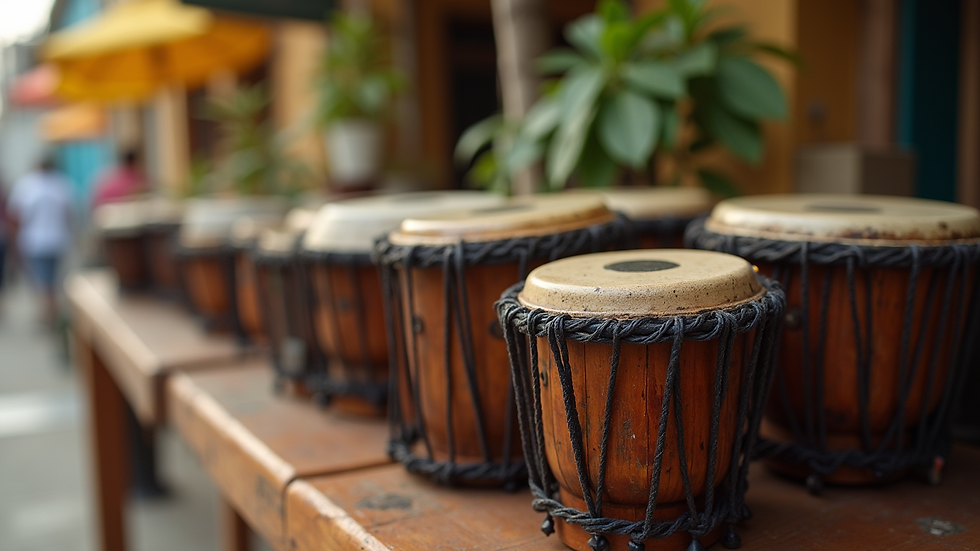
Congas: Tall, narrow drums that provide the heartbeat of Afro-Cuban music.
Bongos: Smaller paired drums used for fast, intricate rhythms.
Trumpet and Trombone: Brass instruments that add melodic and harmonic layers, especially in mambo and salsa.
The combination of these instruments allows Cuban musicians to create complex polyrhythms and vibrant melodies that are both danceable and emotionally expressive.

Cuban Music’s Global Influence and Legacy
Cuban music has had a profound impact on the world’s musical landscape. Its infectious rhythms and melodies have influenced genres such as jazz, salsa, and Latin pop. Musicians from around the globe have drawn inspiration from Cuban styles, incorporating its elements into their own work.
In the United States, Cuban music played a pivotal role in the development of salsa during the 1960s and 1970s. New York City became a hub where Cuban rhythms mixed with jazz and other Latin American styles, creating a new, vibrant sound that resonated with diverse audiences.
Cuban artists like Celia Cruz, Benny Moré, and Buena Vista Social Club have become international icons, showcasing the island’s musical heritage to millions. Their work highlights the enduring appeal and adaptability of Cuban music.
How to Experience Cuban Music Today
For those interested in exploring Cuban music, there are many ways to immerse yourself in its rich sounds and history:
Listen to Classic Cuban Albums: Start with albums by legendary artists such as Compay Segundo, Ibrahim Ferrer, and the Buena Vista Social Club.
Attend Live Performances: Many cities around the world host Cuban music concerts and festivals. Experiencing the music live offers a deeper connection to its energy and spirit.
Learn to Dance Cuban Styles: Salsa, rumba, and cha-cha-chá are not only music genres but also dance forms. Taking dance classes can enhance your appreciation of the rhythms.
Explore Cuban Music Documentaries: Films like Buena Vista Social Club provide historical context and showcase the stories behind the music.
Play Cuban Music Instruments: If you’re musically inclined, try learning to play the tres or percussion instruments to get hands-on experience with Cuban rhythms.
By engaging with Cuban music in these ways, you can gain a deeper understanding of its cultural significance and timeless appeal.
The Enduring Spirit of Cuban Music
Cuban music continues to evolve while honoring its rich past. It remains a powerful expression of identity, resilience, and creativity. Whether through traditional son or modern fusion styles, Cuban music invites listeners to celebrate life, community, and cultural heritage.
Exploring the cuban music history reveals a story of innovation and cultural blending that has shaped not only the island but also the global music scene. Its rhythms and melodies continue to inspire new generations, ensuring that the spirit of Cuban music will thrive for years to come.


Comments