
The Cultural Significance of Cuban Music Heritage

Cuban music heritage is a vibrant tapestry woven from diverse cultural threads, reflecting the island’s rich history and social dynamics. It is a powerful expression of identity, community, and resilience. For those organizing events, understanding this heritage offers a unique opportunity to create memorable experiences that resonate deeply with audiences. The rhythms, melodies, and instruments of Cuban music are not merely entertainment; they are living symbols of a culture that has influenced the world.
Exploring Cuban Music Heritage: Origins and Evolution
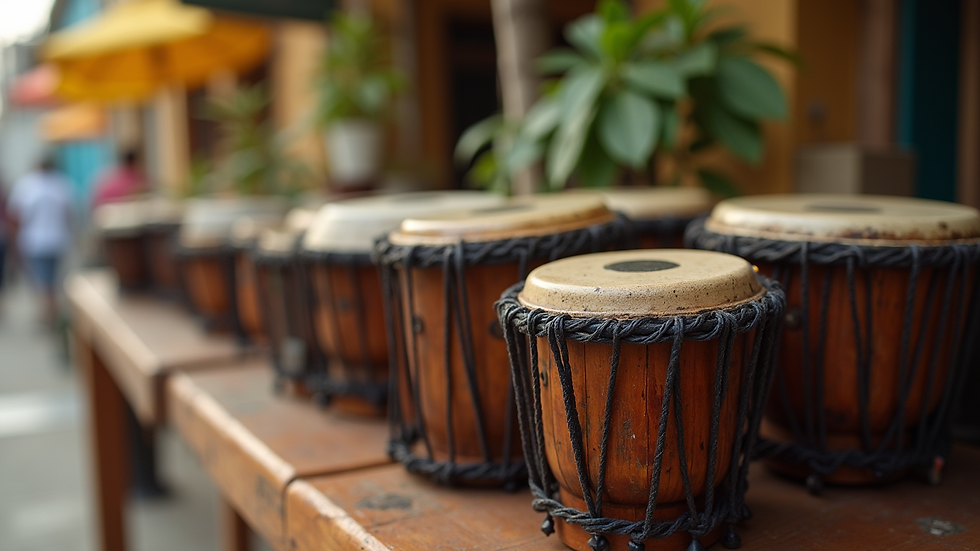
The roots of Cuban music heritage trace back to a fusion of African, Spanish, and indigenous influences. This blend created distinctive genres such as son, rumba, mambo, and cha-cha-cha, each with its own rhythm and style. The African influence is particularly notable in percussion instruments like the congas and bongos, which provide the heartbeat of many Cuban compositions.
Over time, Cuban music evolved through social and political changes, adapting while maintaining its core identity. The 20th century saw the rise of internationally acclaimed artists who brought Cuban sounds to global audiences. This evolution highlights the dynamic nature of Cuban music heritage, which continues to inspire musicians and listeners worldwide.
The Role of Cuban Music in Social and Cultural Life
Cuban music has always played a central role in social gatherings, celebrations, and rituals. It serves as a medium for storytelling, cultural preservation, and communal bonding. Events such as festivals, family reunions, and public dances often feature live Cuban music, creating an atmosphere of joy and connection.
For event planners, incorporating authentic Cuban music can transform an occasion by adding cultural depth and energy. The rhythms encourage participation, whether through dance or simply tapping along, fostering a sense of unity among attendees. This cultural engagement is particularly valuable in diverse settings where music can bridge gaps and create shared experiences.
What is Cuban Culture Known For?
Cuban culture is renowned for its vibrant artistic expressions, including music, dance, and visual arts. The island’s cultural identity is deeply intertwined with its history of colonization, slavery, and revolution, which have shaped its social fabric. Cuban music, in particular, is a hallmark of this identity, reflecting the resilience and creativity of its people.
The dance forms associated with Cuban music, such as salsa and rumba, are equally significant. They are not only artistic expressions but also social practices that reinforce community ties. Cuban cuisine, literature, and festivals further enrich the cultural landscape, making Cuba a unique and influential cultural hub in the Caribbean.

Practical Applications of Cuban Music Heritage in Event Planning
Incorporating Cuban music heritage into events requires thoughtful planning to ensure authenticity and engagement. Here are some practical recommendations:
Select Authentic Musicians: Hiring experienced Cuban musicians or ensembles ensures the music’s integrity and quality. Live performances bring an energy that recordings cannot replicate.
Create an Immersive Atmosphere: Use decorations, lighting, and even Cuban-inspired cuisine to complement the musical experience. This holistic approach enhances the cultural ambiance.
Encourage Participation: Offer dance lessons or interactive segments where guests can learn basic Cuban dance steps. This involvement deepens appreciation and enjoyment.
Consider the Event’s Purpose: Tailor the musical selection to suit the event’s tone, whether it is a lively celebration or a more formal corporate gathering.
Educate the Audience: Brief introductions or printed materials about the history and significance of the music can enrich the experience and foster respect for the culture.
By integrating these elements, event planners can leverage the power of Cuban music heritage to create memorable and meaningful occasions.
The Global Influence and Contemporary Relevance of Cuban Music
Cuban music culture has transcended its geographic origins to influence genres worldwide, including jazz, salsa, and Latin pop. Its rhythms and styles have been embraced by musicians across continents, contributing to a global appreciation of Cuban artistry.
Today, Cuban music continues to evolve, blending traditional elements with modern influences. This ongoing innovation keeps the heritage alive and relevant, appealing to new generations. For those seeking to highlight cultural authenticity in their events, Cuban music offers a timeless yet dynamic option.
The Cuban Trio, for example, exemplifies this blend of tradition and contemporary appeal. Their performances bring an authentic Cuban experience to social and corporate events, particularly in the Miami area, where the Cuban community is vibrant and influential. Their music not only entertains but also educates and connects audiences to the rich cultural legacy of Cuba.
Embracing Cuban Music Heritage for Unforgettable Events
Incorporating Cuban music heritage into social and corporate events offers more than just entertainment; it provides a cultural journey that enriches the atmosphere and leaves a lasting impression. The rhythms and melodies invite participation, foster connection, and celebrate a unique cultural identity.
For event planners aiming to create authentic and engaging experiences, understanding and utilizing the depth of Cuban music heritage is invaluable. Whether through live performances, dance, or cultural storytelling, Cuban music has the power to transform gatherings into vibrant celebrations of life and community.
By embracing this heritage, events can achieve a distinctive character that resonates with attendees long after the music fades.
For more insights on the rich traditions and contemporary expressions of cuban music culture, exploring reputable sources and engaging with authentic performers is highly recommended. This approach ensures that the cultural significance of Cuban music is honored and preserved in every event.


Comments