
LA BOTIJA

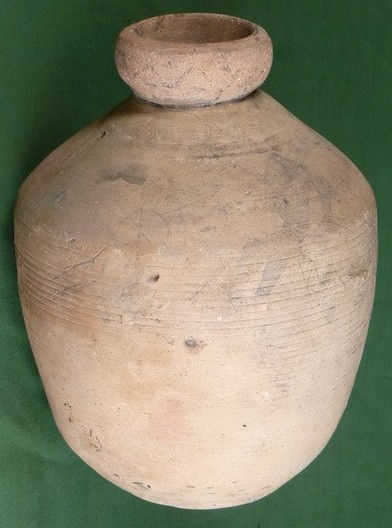
🎶 The Botija: The Forgotten Bass of Cuban Music
When people think of Cuban music, instruments like the congas, bongos, and maracas often come to mind. But behind the infectious rhythms of early son cubano, there’s an unusual, lesser-known instrument that once laid down the basslines of the island’s most traditional sounds — the botija.
🏺 What Is the Botija?
The botija is a clay jug originally used to store oil, wine, or water in colonial Cuba. Over time, creative musicians in the 19th century — especially in the eastern regions like Santiago de Cuba — began using these jugs as musical instruments. By blowing air into the opening, the botija produced deep, resonant tones similar to a tuba or upright bass.
This instrument became a key part of early son ensembles, where it played the role of the bass before the introduction of the double bass and marímbula.
🎵 How It Works
The botija’s sound is produced through aerophonic vibration — meaning it’s played by blowing air. Musicians would partially fill the jug with water to adjust the pitch, then blow across its mouth or through a small tube. The amount of air pressure and water determined the tone, allowing performers to create simple basslines that supported the rhythm section.
Some musicians even used multiple botijas tuned to different notes to play more complex melodies!
🌍 The Botija’s African Roots
Like many Cuban instruments, the botija reflects the island’s Afro-Cuban heritage. Enslaved Africans brought rhythmic traditions that influenced the development of son, rumba, and changüí — genres that laid the foundation for modern salsa. The use of the botija as a musical instrument shows how everyday objects were transformed into tools of artistic and cultural expression.
🎸 The Disappearance of the Botija
By the early 20th century, as Cuban music modernized, the botija faded out. It was gradually replaced by the marímbula(a plucked lamellophone) and later by the acoustic bass, which offered greater tonal control and volume for live performances.
Today, the botija is rarely seen, but it remains a symbol of creativity and resourcefulness — a reminder of how humble origins can produce powerful sounds.
🕰️ The Botija’s Legacy
Modern Cuban folkloric groups and ethnomusicologists have revived interest in the botija. Some ensembles include it to recreate the authentic sound of early son or as part of educational programs about Cuba’s musical evolution.
While it may no longer anchor the dance floors of Santiago, the botija still resonates as a piece of Cuba’s musical soul — a clay vessel that once carried both sustenance and sound.
The botija isn’t just an instrument — it’s a story of transformation, resilience, and rhythm. From simple pottery to the deep heartbeat of early Cuban music, the botija reminds us that music often begins with the most unexpected materials.


Comments