
Cuban Son A UNESCO Heritage Tribute to Rhythm and Culture

Cuban Son is more than just music. It is a powerful cultural expression that shaped the identity of Cuba and influenced music worldwide. In 2014, UNESCO recognized Cuban Son as an Intangible Cultural Heritage of Humanity, highlighting its importance as a living tradition that connects generations and communities. This blog explores the origins, characteristics, and global impact of Cuban Son, celebrating its status as a treasured heritage.

Origins of Cuban Son
Cuban Son emerged in the eastern region of Cuba, particularly in the provinces of Oriente and Santiago de Cuba, during the late 19th and early 20th centuries. It developed as a fusion of Spanish guitar traditions and African rhythms brought by enslaved people. This blend created a new sound that was both rhythmic and melodic, reflecting the island’s diverse cultural roots.
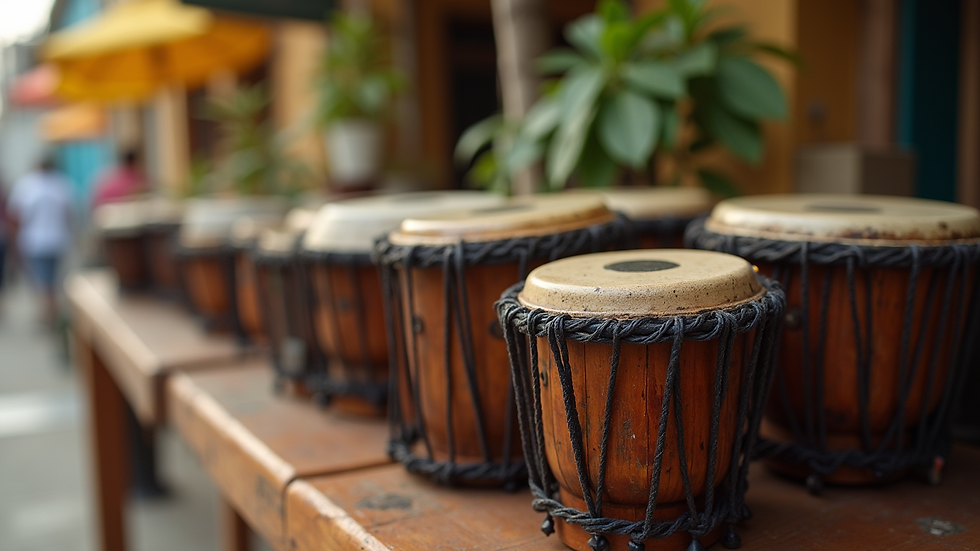
The name "Son" means "sound" in Spanish, and it perfectly captures the essence of this genre. Early Son musicians used simple instruments such as the tres (a Cuban guitar with three pairs of strings), bongos, maracas, and the double bass. The music was played at social gatherings, dances, and celebrations, becoming a vital part of community life.
Key Characteristics of Cuban Son
Cuban Son has several defining features that distinguish it from other musical styles:
Rhythmic structure: The clave rhythm is the heartbeat of Son. It is a repeating pattern that guides the percussion and other instruments, creating a syncopated groove that invites dancing.
Instrumentation: The tres guitar provides melodic riffs, while the bongos and maracas add percussive layers. The double bass anchors the harmony and rhythm.
Call and response vocals: Singers often alternate between a lead voice and a chorus, engaging listeners and encouraging participation.
Lyrics: Son lyrics often tell stories about daily life, love, social issues, and Cuban identity, making the music relatable and meaningful.
This combination of elements makes Cuban Son lively, danceable, and emotionally expressive.
Cuban Son’s Role in Cuban Culture
Son became the soundtrack of Cuban social life throughout the 20th century. It was played in urban and rural settings, from Havana’s vibrant neighborhoods to small towns in the countryside. The music brought people together across social and racial lines, fostering a sense of unity and pride.
Son also influenced other Cuban genres such as salsa, mambo, and cha-cha-cha. Many famous Cuban musicians, including Arsenio Rodríguez and Compay Segundo, helped popularize Son both inside and outside Cuba. Their recordings and performances introduced the world to the unique rhythms and melodies of Cuban Son.
UNESCO Recognition and Its Significance
In 2014, UNESCO inscribed Cuban Son on its list of Intangible Cultural Heritage of Humanity. This recognition acknowledges Son as a cultural practice that deserves protection and promotion. The designation helps raise awareness about the music’s historical value and its ongoing role in Cuban society.
UNESCO’s recognition also encourages efforts to preserve Son traditions, including:
Teaching Son music and dance in schools and community centers
Supporting local musicians and cultural groups
Documenting Son history and performances for future generations
This support ensures that Cuban Son remains a living tradition, not just a historical artifact.
Cuban Son’s Global Influence
Cuban Son’s rhythms and melodies have traveled far beyond the island. The genre played a crucial role in the development of Latin American music and influenced jazz, pop, and world music globally. For example:
Salsa music, which gained international popularity in the 1970s, has deep roots in Son.
Jazz musicians like Dizzy Gillespie incorporated Son rhythms into their compositions.
Contemporary artists continue to sample and reinterpret Son elements in various genres.
This global reach shows how Cuban Son connects cultures and inspires creativity worldwide.
How to Experience Cuban Son Today
Experiencing Cuban Son firsthand offers a glimpse into Cuba’s rich cultural heritage. Here are some ways to enjoy Son music and dance:
Visit Cuba and attend live Son performances in Havana or Santiago de Cuba.
Explore recordings by legendary Son artists such as Buena Vista Social Club.
Learn to play Son instruments like the tres or bongos through online tutorials or local music schools.
Join dance classes that teach Son steps and rhythms.
Engaging with Cuban Son helps keep the tradition alive and deepens appreciation for its cultural significance.
Preserving Cuban Son for Future Generations
Preserving Cuban Son requires active participation from communities, musicians, and cultural institutions. Some key actions include:
Documenting oral histories and musical techniques from elder Son musicians.
Promoting Son festivals and cultural events that attract new audiences.
Encouraging young people to learn and perform Son music.
Supporting research and education programs focused on Cuban musical heritage.
These efforts ensure that Cuban Son continues to thrive as a dynamic and evolving art form.


Comments